How to Prepare Your Property for a Septic Tank Service Call
A 10-minute walk-through before the truck arrives can save an hour of searching for buried lids and moving cars out of the way.
August 20, 2026 · 3 min read
Know Where Your Tank Is
The single biggest delay on a residential service call is a buried or unknown tank location. Most residential septic tanks in the Jackson metro area are buried between 6 and 24 inches below grade, somewhere between the house and the property line. If you have a copy of your property's as-built plat or the original septic permit, both show the tank's position relative to the house foundation.
If you have no records, walk the yard and look for a slight mound or depression, a patch of grass that grows differently from the rest, or a concrete or plastic riser lid at ground level. Mark the spot with a flag or stake so the crew can find it without probing the yard.
Clear the Path from the Street to the Tank
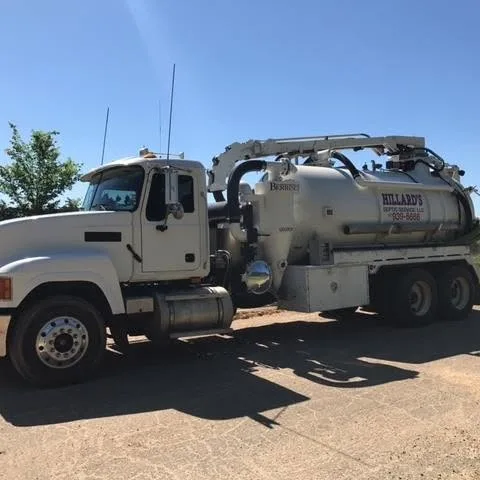
A vacuum truck weighs between 30,000 and 60,000 pounds loaded. It needs a clear path from the street or driveway to within hose reach of the tank, which is typically 100 to 150 feet depending on the equipment. Move vehicles, trailers, and portable basketball hoops out of the way. Trim any low-hanging branches along the route. If the path crosses soft ground, let the service company know in advance so they can plan for it.
Expose the Access Lid
If your tank lid is buried under a few inches of soil or mulch, dig it up before the crew arrives. You do not need to open it. Just expose the lid so the crew can see it and lift it. A buried lid can add 20 to 30 minutes to the job while the crew locates it with a probe and digs it out. That time is avoidable.
If the lid is deep or you are unable to locate it, say so when you schedule the appointment. The crew will bring probing tools, but knowing the situation in advance helps them plan the visit.
Secure Pets and Let the Household Know
Keep dogs inside or in a fenced area away from the work zone. A vacuum truck hose under suction is loud and can startle animals. Loose pets near heavy equipment create a safety risk for the animal and the crew. Let everyone in the household know the truck is coming so they are not surprised by noise or by water use being temporarily interrupted.
Note Any Problems You Want the Crew to Check
While the tank is open, a good crew will inspect the baffles, the inlet and outlet pipes, and the tank walls for cracks. If you have noticed slow drains, odors near the drain field, gurgling sounds, or standing water in the yard, mention these when the crew arrives. They can look for the cause while they have access and save you a separate diagnostic visit.
- Slow drains in multiple fixtures at the same time
- Sewage odor outdoors near the tank area or drain field
- Soggy patches or unusually green grass over the drain field
- Gurgling sounds when flushing or running water
- Any alarm or warning light on a pump tank or lift station
What to Expect During the Visit
The crew opens the tank lid, inserts the suction hose, and draws out the contents into the truck's tank. They check the baffles and walls, note anything that needs attention, close the lid, and rinse down the work area. A standard residential pump-out takes 30 to 60 minutes. You will hear the vacuum pump running during that time. After they leave, you can resume normal water use immediately.
Schedule Your Next Service
Hillard's Septic Tank & Grease Trap Service has been pumping residential tanks across the Jackson metro since 1952. The Hillard family runs every truck and stands behind every job. Call (601) 939-6666 to schedule a pump-out or to ask about setting up a recurring maintenance interval.
Hillard's Septic Tank & Grease Trap Service, (601) 939-6666
Call (601) 939-6666More articles
Five Signs Your Septic Tank Needs Pumping Before It Backs Up
A backed-up septic system ruins floors, yards, and weekends. Catching the early signs saves all three.
What Happens During a Commercial Grease Trap Cleaning
Grease traps keep fats, oils, and grease out of the sewer. Keeping the trap itself clean is the part most restaurant owners learn about the hard way.